Maths in the Sky: Teaching Measurement, Scale and Data From Sydney's Highest Classroom
- Thursday August 27th 2026
- Schools
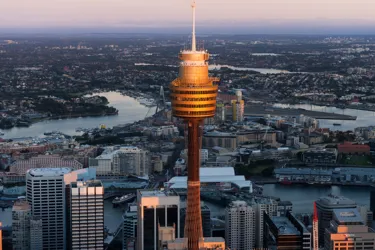
Measurement and scale are two of the hardest Maths concepts to make concrete in a classroom; a metre ruler only stretches so far. From 250 metres up at Sydney Tower Eye, students get a working example of scale, distance and data collection they can see, estimate and check in real time.
Measurement and Scale, Made Real
Standing on the Observation Deck gives students a genuine reason to engage with concepts that usually live only on paper:
- Estimating distance and height - comparing the visible height of city landmarks to the Tower's own 309-metre structure
- Scale and proportion - how a city that spans dozens of kilometres can be read and understood from a single vantage point
- Angles and perspective - why buildings appear smaller with distance, and the maths behind that relationship
Data Collection With a View
The 360-degree Observation Deck is also a ready-made data collection exercise. Students can:
- Tally landmarks, transport types or building styles visible in each direction
- Compare and graph findings between groups looking at different city quadrants
- Discuss how sample size and vantage point affect the reliability of data
Curriculum Connections
Mathematics
- Measurement and geometry (length, area, angles)
- Scale and proportion
- Statistics and data collection
Geography
- Interpreting the built and natural environment from an aerial perspective
STEM
- Applying maths concepts to real engineering and design contexts
A Self-Guided Excursion, Shaped Around Your Lesson
Sydney Tower Eye's self-guided format means teachers can bring their own measurement or data-collection worksheet and use the Observation Deck as the practical component of a Maths unit, rather than a separate excursion topic. Touchscreens and fun facts throughout the Tower support students working independently in small groups.
Book NowFAQs
The core measurement and scale concepts suit primary Stage 2–3 classes, while data collection and proportion extensions work well for secondary Maths classes.
Teachers can use their own measurement or data-collection activities, or draw on Sydney Tower Eye's free classroom resources for structure.
Most self-guided visits take 1–2 hours, which is enough time for an observation and data-collection activity alongside general exploration of the deck.
